Exploring the Latest Bungalow House Design in Nigeria
In the dynamic realm of architectural innovation, Nigeria stands out with its captivating blend of tradition and modernity, reflected vividly in the latest bungalow house design trends. With a burgeoning population and evolving lifestyles, the demand for bungalow houses has soared, prompting architects and designers to craft spaces that harmonize aesthetics, functionality, and cultural nuances. Let’s delve into the intricacies of the latest bungalow house designs making waves across Nigeria.

Embracing Cultural Heritage

Nigeria’s rich cultural tapestry serves as a wellspring of inspiration for bungalow house designs. Architects ingeniously infuse elements of traditional Nigerian architecture, such as mud walls or thatched roofing, with contemporary sensibilities to create homes that resonate with local identity while offering modern comfort and convenience.

Sustainable Living

In alignment with global environmental consciousness, the latest bungalow house designs in Nigeria emphasize sustainability. Utilizing eco-friendly materials like bamboo and recycled wood, coupled with energy-efficient features such as solar panels and rainwater harvesting systems, these houses not only reduce environmental impact but also offer cost-effective solutions for homeowners.

Seamless Integration of Indoor and Outdoor Spaces

One hallmark of bungalow house designs in Nigeria is the seamless integration of indoor and outdoor spaces. Expansive verandas and patios, adorned with lush greenery and traditional Nigerian decor elements, extend living areas outdoors, fostering a connection with nature while providing versatile spaces for relaxation and entertainment.

Modern Minimalism

While honoring traditional aesthetics, the latest bungalow house designs also embrace modern minimalism. Clean lines, open floor plans, and a restrained color palette characterize these homes, creating serene living environments that exude elegance and sophistication.

Innovative Use of Technology

From smart home automation systems to virtual reality architectural visualization, technology plays a pivotal role in shaping Nigeria’s bungalow house designs. Homeowners can now effortlessly control lighting, security, and climate control systems with the touch of a button, enhancing comfort and convenience while embracing cutting-edge innovations.

Flexible Spaces for Multifunctional Living

Recognizing the diverse needs of modern families, Nigeria’s latest bungalow house designs prioritize flexibility and adaptability. Multi-purpose rooms that seamlessly transition between living, dining, and workspace cater to evolving lifestyles, ensuring that every square foot of space is maximized for optimal functionality.

Fusion of Traditional Craftsmanship and Contemporary Design

Craftsmanship lies at the heart of Nigeria’s bungalow house designs, where skilled artisans merge traditional techniques with contemporary design principles. Intricate wood carvings, mosaic tiles, and handwoven textiles adorn interiors, imbuing spaces with warmth, character, and a sense of cultural heritage.

Harmonizing Form and Function

At the core of Nigeria’s latest bungalow house designs is the harmonious fusion of form and function. Thoughtfully curated layouts prioritize spatial efficiency and ergonomic design, ensuring that every aspect of the home serves a purpose while maintaining aesthetic appeal.

Sustainable Materials for Eco-Conscious Living

From locally sourced laterite stones to terracotta tiles, Nigeria’s bungalow house designs embrace sustainable materials that celebrate the country’s natural resources. Not only do these materials imbue homes with a distinct sense of place, but they also contribute to the preservation of the environment for future generations.

Conclusion

In the realm of architecture and design, Nigeria’s latest bungalow house designs epitomize a harmonious blend of tradition and innovation. From embracing cultural heritage to prioritizing sustainability and technological advancements, these homes reflect the evolving needs and aspirations of Nigerian homeowners while celebrating the nation’s rich cultural tapestry. As the architectural landscape continues to evolve, Nigeria stands poised at the forefront of bungalow house design, inspiring creativity and pushing boundaries in pursuit of the perfect fusion of beauty, functionality, and cultural resonance.
House Design Bungalow Philippines

In the realm of architectural splendor and tropical living, house design bungalow Philippines embodies a unique blend of tradition, functionality, and aesthetic appeal. Nestled amidst lush landscapes and vibrant communities, these charming single-story dwellings capture the essence of Filipino culture while offering modern comforts and conveniences.

The hallmark of house design bungalow Philippines is its distinctive architectural style, characterized by low-pitched roofs, spacious verandas, and open floor plans that seamlessly merge indoor and outdoor living spaces. These design elements are perfectly suited to the country’s tropical climate, allowing for ample ventilation and natural light while providing shelter from the elements.

One of the key features of house design bungalow Philippines is its emphasis on simplicity and practicality. The layout of these homes is often straightforward and uncomplicated, with an efficient use of space that maximizes functionality without sacrificing style. This minimalist approach not only enhances the aesthetic appeal of the home but also makes it easier to maintain and live in.

Moreover, house design bungalow Philippines often incorporates elements of traditional Filipino architecture, such as wooden lattice screens known as “ventanillas” and intricately carved wooden details. These cultural references add a sense of authenticity and charm to the home, paying homage to the country’s rich architectural heritage.

In addition to their architectural features, house design bungalow Philippines also prioritizes outdoor living, with expansive gardens, courtyards, and verandas that serve as extensions of the indoor living spaces. These outdoor areas are perfect for relaxing and entertaining, offering residents a tranquil retreat amidst the hustle and bustle of urban life.

One of the advantages of house design bungalow Philippines is its versatility and adaptability to different settings and lifestyles. Whether nestled in a rural village or situated in a bustling city, these homes can be customized to suit the needs and preferences of their occupants, offering endless possibilities for personalization and customization.

In recent years, there has been a resurgence of interest in house design bungalow Philippines, with architects and designers drawing inspiration from the country’s rich architectural heritage to create modern interpretations of traditional bungalow homes. These contemporary designs incorporate elements of sustainability and environmental responsibility, such as passive solar design and rainwater harvesting systems, to create homes that are not only beautiful but also eco-friendly.

But perhaps the most compelling aspect of house design bungalow Philippines is its ability to evoke a sense of nostalgia and belonging among Filipinos both at home and abroad. For many, these homes represent more than just a place to live; they are symbols of family, community, and cultural identity, serving as a reminder of the warmth and hospitality that define Filipino culture.

In conclusion, house design bungalow Philippines offers a timeless and charming approach to tropical living, blending traditional architectural elements with modern comforts and conveniences. Whether nestled in the countryside or situated in the heart of the city, these homes capture the essence of Filipino culture and offer residents a peaceful retreat from the chaos of everyday life. With their simple yet elegant design, house design bungalow Philippines continues to captivate and inspire homeowners around the world, serving as a symbol of the beauty and diversity of Filipino architecture.

Crafting Elegance: Exploring the Essence of Simple Modern House Design

In the realm of architectural innovation and contemporary living, simple modern house design stands as a beacon of elegance, efficiency, and sophistication. With its clean lines, minimalist aesthetics, and emphasis on functionality, this design approach offers homeowners a harmonious blend of style and practicality, creating spaces that are both beautiful and livable.

At the core of simple modern house design lies a philosophy of simplicity and restraint. Architects and designers eschew unnecessary ornamentation and clutter, focusing instead on creating spaces that are streamlined, uncluttered, and visually soothing. This minimalist approach not only enhances the aesthetic appeal of the home but also promotes a sense of tranquility and calmness.

One of the defining features of simple modern house design is its emphasis on open floor plans and fluid spaces. Walls are often minimized or eliminated altogether, creating seamless transitions between different areas of the home and maximizing natural light and ventilation. This sense of openness and connectivity fosters a feeling of spaciousness and freedom within the living environment.

Moreover, simple modern house design embraces the use of natural materials and textures, such as wood, stone, and glass, to add warmth and character to the space. These materials not only lend a sense of authenticity and craftsmanship to the home but also create a connection to the surrounding environment, blurring the boundaries between indoors and outdoors.

In addition to its aesthetic appeal, simple modern house design is also highly functional and efficient. Designers carefully consider the needs and lifestyle of the homeowners, incorporating features such as built-in storage solutions, multipurpose furniture, and energy-efficient systems to maximize usability and minimize waste.

One of the key principles of simple modern house design is sustainability and environmental responsibility. Architects and designers prioritize energy-efficient design strategies, such as passive solar heating, natural ventilation, and high-performance insulation, to reduce the home’s carbon footprint and minimize its impact on the environment.

In recent years, there has been a growing trend towards modular and prefabricated construction in simple modern house design. These innovative building methods allow for faster construction times, reduced waste, and greater flexibility in design, making it easier than ever to create beautiful and sustainable homes that meet the needs of today’s homeowners.

But perhaps the most compelling aspect of simple modern house design is its adaptability and universality. Whether it’s a sleek urban apartment, a cozy suburban bungalow, or a minimalist beach retreat, this design approach can be tailored to suit a wide range of architectural styles and settings, making it accessible to homeowners around the world.

In conclusion, simple modern house design represents a harmonious fusion of form and function, elegance and efficiency. With its clean lines, minimalist aesthetics, and emphasis on sustainability, this design approach offers homeowners a timeless and versatile solution for creating beautiful, livable spaces that reflect their values and aspirations. Whether you’re building a new home or renovating an existing one, simple modern house design offers endless possibilities for creating a space that is both stylish and practical, timeless and contemporary.

The Significance of the House Beautiful Logo: A Symbol of Elegance and Inspiration

In the realm of interior design and home decor, the House Beautiful logo holds a special place as an iconic symbol of elegance, sophistication, and timeless style. With its distinctive design and rich history, the House Beautiful logo serves as a beacon of inspiration for homeowners and design enthusiasts alike, guiding them on a journey to create beautiful and inviting living spaces.

The House Beautiful logo is more than just a visual representation of a brand; it is a reflection of the values and aspirations embodied by the publication itself. Since its inception, House Beautiful has been synonymous with impeccable taste, expert advice, and unparalleled inspiration for creating stylish and functional homes.

At the heart of the House Beautiful logo lies a commitment to excellence in design and craftsmanship. The logo’s clean lines, elegant typography, and harmonious proportions are a testament to the publication’s dedication to aesthetic perfection and attention to detail.

Moreover, the House Beautiful logo serves as a hallmark of quality and authority in the world of interior design. For decades, House Beautiful has been a trusted source of expert advice, trend forecasting, and product recommendations, helping homeowners navigate the complexities of decorating and furnishing their homes with confidence and flair.

One of the key elements of the House Beautiful logo is its versatility. Whether it’s emblazoned on the cover of a magazine, featured on a website, or displayed in a showroom, the logo adapts effortlessly to various mediums and contexts while maintaining its unmistakable identity and brand recognition.

In addition to its visual appeal, the House Beautiful logo evokes a sense of aspiration and inspiration. For many homeowners, seeing the logo is a reminder of the endless possibilities for creating a beautiful and welcoming home that reflects their personal style and values.

The House Beautiful logo also serves as a badge of honor for designers, architects, and brands featured within the publication. Being recognized by House Beautiful is a mark of distinction and validation, signifying excellence in design and innovation within the industry.

In recent years, the House Beautiful logo has undergone subtle evolutions to keep pace with changing trends and consumer preferences while staying true to its timeless essence. These updates ensure that the logo remains relevant and resonant with readers and audiences across generations.

But perhaps the most enduring aspect of the House Beautiful logo is its ability to inspire creativity and imagination in homeowners and designers alike. Whether it’s through showcasing stunning interiors, offering practical decorating tips, or highlighting the latest trends, House Beautiful continues to ignite a passion for design and a love for beautiful living spaces.

In conclusion, the House Beautiful logo is much more than just a visual symbol; it is a testament to the enduring appeal of elegance, style, and sophistication in the world of interior design. As a beacon of inspiration and aspiration, the logo continues to captivate and delight audiences around the world, guiding them on a journey to create homes that are as beautiful as they are inviting.

Exploring the Artistry of Boutique Furniture: Elevating Spaces with Style and Sophistication

In the world of interior design, boutique furniture stands as a beacon of elegance and refinement, offering discerning homeowners an unparalleled opportunity to imbue their spaces with personality and panache. Unlike mass-produced furnishings, boutique furniture is crafted with meticulous attention to detail, reflecting the artisanal expertise and creative vision of skilled craftsmen and designers.

Boutique furniture encompasses a diverse range of styles and aesthetics, from sleek and modern to timeless and traditional. Each piece is imbued with its own unique character, blending form and function to create a harmonious balance of beauty and utility.

At the heart of boutique furniture lies a commitment to quality craftsmanship and superior materials. Artisans employ traditional woodworking techniques and premium materials such as solid wood, hand-selected veneers, and luxurious fabrics to create pieces that are not only visually stunning but also built to last a lifetime.

One of the hallmarks of boutique furniture is its exclusivity. Unlike mass-produced furnishings found in big-box stores, boutique furniture is often produced in limited quantities or even made-to-order, ensuring that each piece is truly one-of-a-kind. This exclusivity adds to the allure of boutique furniture, appealing to those who value individuality and craftsmanship.

Moreover, boutique furniture offers homeowners the opportunity to customize their pieces to suit their specific tastes and preferences. From selecting the perfect upholstery fabric to choosing custom finishes and hardware, clients can collaborate with designers to create bespoke pieces that reflect their personal style and complement their existing decor.

In addition to its aesthetic appeal, boutique furniture is also renowned for its exceptional comfort and ergonomics. Designers pay careful attention to the ergonomic principles of furniture design, ensuring that each piece not only looks beautiful but also provides maximum comfort and support for its users.

One of the most exciting aspects of boutique furniture is its ability to serve as a focal point or conversation piece within a space. Whether it’s a statement-making sofa, a sculptural coffee table, or a striking accent chair, boutique furniture has the power to elevate the entire aesthetic of a room and create a lasting impression on guests.

Furthermore, boutique furniture often incorporates innovative design features and technologies that enhance its functionality and usability. From hidden storage compartments to modular configurations and adjustable elements, these design innovations add an extra layer of sophistication and convenience to boutique furniture pieces.

In recent years, there has been a growing appreciation for sustainable and eco-friendly boutique furniture. Many designers and manufacturers are embracing environmentally responsible practices, such as using reclaimed or responsibly sourced materials and employing energy-efficient production methods, to create pieces that are not only beautiful but also environmentally conscious.

In conclusion, boutique furniture represents the epitome of luxury and craftsmanship in the world of interior design. From its exquisite materials and impeccable craftsmanship to its bespoke customization options and innovative design features, boutique furniture offers discerning homeowners a unique opportunity to elevate their spaces with style, sophistication, and personality. Whether you’re looking for a statement piece to anchor your living room or a custom dining set to entertain guests in style, boutique furniture is sure to make a lasting impression.

Elevating Spaces: The Art of Kitchen and Bathroom Remodeling

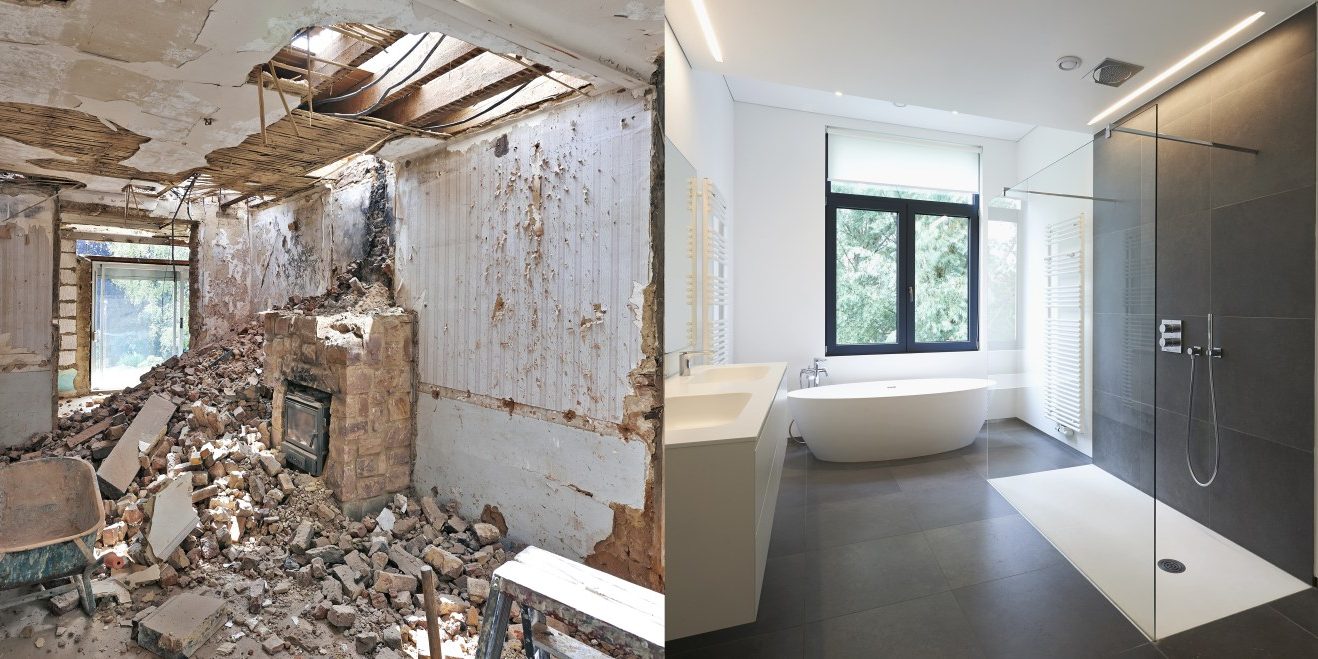
In the realm of home improvement, few endeavors hold as much transformative potential as kitchen and bathroom remodeling. These projects represent not only functional upgrades but also opportunities to elevate the aesthetic appeal and usability of the most essential spaces in the home. Let’s delve into the intricate world of kitchen and bathroom remodeling and explore the myriad ways in which these projects can breathe new life into your living spaces.

Kitchen and bathroom remodeling is a multifaceted endeavor that encompasses a wide range of design considerations and technical challenges. From layout optimization to material selection, every decision is guided by the overarching goal of creating spaces that are both beautiful and practical.

One of the key elements of kitchen and bathroom remodeling is spatial planning. Designers and homeowners alike must carefully consider the layout of the space, taking into account factors such as traffic flow, storage needs, and functional requirements. This process often involves reimagining the existing layout to maximize efficiency and usability.

Moreover, kitchen and bathroom remodeling offer an opportunity to incorporate the latest design trends and technologies into the home. From smart appliances and fixtures to innovative storage solutions and energy-efficient lighting, these projects embrace the cutting edge of design innovation, enhancing the comfort and convenience of daily living.

But perhaps the most rewarding aspect of kitchen and bathroom remodeling is the opportunity to express one’s personal style and taste. These spaces serve as reflections of individuality, allowing homeowners to imbue them with unique touches and flourishes that resonate with their personality and lifestyle.

In the realm of kitchen remodeling, one of the primary focal points is often the cabinetry. Cabinets not only provide essential storage but also contribute significantly to the overall aesthetic of the space. From sleek, modern designs to classic, timeless styles, the options for cabinetry are virtually endless, allowing homeowners to tailor their kitchen to their specific preferences.

In addition to cabinetry, countertops play a crucial role in the design and functionality of the kitchen. Today’s homeowners have a wealth of options to choose from, including natural stone, engineered quartz, and butcher block, each offering its own unique benefits in terms of durability, aesthetics, and maintenance.

Another area of focus in kitchen remodeling is the selection of appliances. Modern kitchens are often equipped with state-of-the-art appliances that streamline cooking and cleaning tasks while adding a touch of sophistication to the space. From professional-grade ranges to built-in refrigerators and dishwashers, the possibilities for appliance upgrades are endless.

Similarly, in the realm of bathroom remodeling, attention to detail is paramount. From the layout of the space to the selection of fixtures and finishes, every decision contributes to the overall look and feel of the room.

One of the key considerations in bathroom remodeling is the choice of materials. From tiles and countertops to flooring and shower enclosures, the materials used in the bathroom play a significant role in both aesthetics and durability. Homeowners can choose from a wide range of options, including porcelain, ceramic, marble, and granite, each offering its own unique benefits in terms of style and performance.

In addition to materials, fixtures also play a crucial role in bathroom remodeling. From faucets and showerheads to toilets and sinks, the fixtures in the bathroom not only contribute to the overall aesthetic of the space but also impact its functionality and usability. Today’s homeowners have a wealth of options to choose from, including sleek, modern designs and classic, traditional styles, allowing them to create a bathroom that suits their personal taste and lifestyle.

In conclusion, kitchen and bathroom remodeling are transformative endeavors that have the power to enhance the beauty, functionality, and value of the home. From spatial planning and material selection to fixture upgrades and design details, these projects offer endless opportunities for creativity and innovation. Whether you’re looking to refresh your kitchen or transform your bathroom into a spa-like retreat, the possibilities for kitchen and bathroom remodeling are limited only by your imagination.

Crafting Dreams: Exploring the World of Designer Homes

In the realm of architectural ingenuity and creative expression, designer homes stand as epitomes of style, sophistication, and innovation. These exceptional residences, crafted by visionary architects and designers, redefine the concept of luxury living, blending form and function to create spaces that are as breathtaking as they are functional.

Designer homes are more than just dwellings; they are works of art, meticulously curated to reflect the unique tastes and lifestyles of their owners. From sleek, minimalist interiors to opulent, grandiose facades, each home tells a story of creativity, vision, and unparalleled craftsmanship.

At the heart of every designer home lies a deep understanding of architectural principles and design aesthetics. Architects and designers draw inspiration from a myriad of sources, from classical art and historical landmarks to cutting-edge technology and avant-garde trends, to create homes that are at once timeless and contemporary.

One of the hallmarks of designer homes is their attention to detail. Every element, from the layout and flow of the space to the selection of materials and finishes, is carefully considered to ensure a harmonious and cohesive design. This meticulous approach results in homes that exude a sense of refinement and elegance, elevating the living experience to new heights.

Moreover, designer homes often push the boundaries of conventional architecture, incorporating innovative features and cutting-edge technologies to enhance both aesthetics and functionality. From smart home automation systems to sustainable building materials and energy-efficient design solutions, these homes are at the forefront of innovation in the industry.

But beyond the tangible aspects of design, designer homes also embody a lifestyle. They are havens of comfort and luxury, where every corner is thoughtfully curated to provide an unparalleled living experience. From state-of-the-art kitchens and spa-like bathrooms to expansive entertainment spaces and serene outdoor retreats, these homes cater to every aspect of modern living.

In recent years, there has been a growing demand for designer homes that prioritize sustainability and environmental responsibility. Architects and designers are increasingly incorporating eco-friendly design principles into their projects, from passive solar design and green roofs to rainwater harvesting systems and renewable energy sources. This commitment to sustainability not only reduces the environmental footprint of the home but also enhances its long-term value and appeal.

One of the key benefits of investing in a designer home is the level of customization and personalization it offers. Unlike mass-produced homes, which often lack character and individuality, designer homes are tailored to the specific needs and preferences of their owners. From the layout and floor plan to the selection of finishes and fixtures, every aspect of the home can be customized to create a truly bespoke living space.

In conclusion, designer homes represent the pinnacle of architectural excellence and design innovation. They are symbols of luxury, sophistication, and craftsmanship, offering homeowners a unique opportunity to experience the epitome of modern living. Whether sleek and contemporary or timeless and traditional, designer homes continue to captivate and inspire, setting new standards for residential design around the world.

Unveiling the Essence of Pakistan House Designs: A Fusion of Tradition and Innovation

In the rich tapestry of architectural heritage in Pakistan, Pakistan house designs stand as a testament to centuries of cultural influence and artistic expression. From the majestic forts of Lahore to the quaint village homes of Hunza, the landscape is adorned with a diverse array of architectural styles that reflect the country’s rich history and traditions.

Pakistan house designs are a delicate balance between tradition and modernity, where ancient motifs blend seamlessly with contemporary aesthetics to create spaces that are both functional and visually stunning. Architects and designers draw inspiration from the country’s vibrant cultural tapestry, incorporating elements such as intricate tilework, ornate wood carvings, and vibrant textiles into their designs.

One of the defining features of Pakistan house designs is their emphasis on outdoor living spaces. With a climate that ranges from arid deserts to lush mountain valleys, Pakistani homes often feature expansive courtyards, terraces, and gardens that serve as extensions of the living areas. These outdoor spaces are designed to capture the natural beauty of the surroundings and provide a serene retreat for residents to enjoy.

Moreover, Pakistan house designs are deeply rooted in the principles of Islamic architecture, which emphasizes harmony, balance, and symmetry. From the geometric patterns adorning facades to the intricately carved screens known as jalis, every element is carefully considered to create a sense of tranquility and serenity within the home.

In recent years, there has been a growing trend towards modernism in Pakistan house designs, with architects and designers incorporating sleek lines, minimalist aesthetics, and innovative materials into their projects. This contemporary approach to design reflects the country’s rapidly evolving urban landscape and the changing needs and lifestyles of its residents.

But amidst the push towards modernity, Pakistan house designs remain deeply rooted in tradition and heritage. Many homeowners still prefer to incorporate elements such as courtyard layouts, verandas, and traditional materials like brick, stone, and timber into their homes, paying homage to the timeless beauty of Pakistani architecture.

One of the challenges of Pakistan house designs is balancing the desire for modern amenities with the need to maintain a connection to the past. Architects and designers must find innovative ways to integrate technologies such as air conditioning, central heating, and smart home systems into traditional structures without compromising their integrity or character.

Another consideration in Pakistan house designs is the country’s diverse cultural landscape, which is reflected in the architecture of different regions. From the ornate havelis of Punjab to the mud-brick homes of Balochistan, each province boasts its own unique architectural traditions and styles, adding to the richness and diversity of Pakistan’s built environment.

In conclusion, Pakistan house designs are a reflection of the country’s rich cultural heritage, blending tradition and modernity to create spaces that are both timeless and contemporary. From the majestic palaces of Lahore to the modernist villas of Islamabad, Pakistani architecture embodies the spirit of innovation, creativity, and cultural pride. As the country continues to evolve and grow, so too will its architectural landscape, shaping the homes and communities of future generations.